TikTok Ads Country Expansion Readiness Checklist for Agencies
Most failed market launches are not creative failures — they are readiness failures. This checklist covers the account, billing, tracking, creative and legal work to complete before a new country goes live.

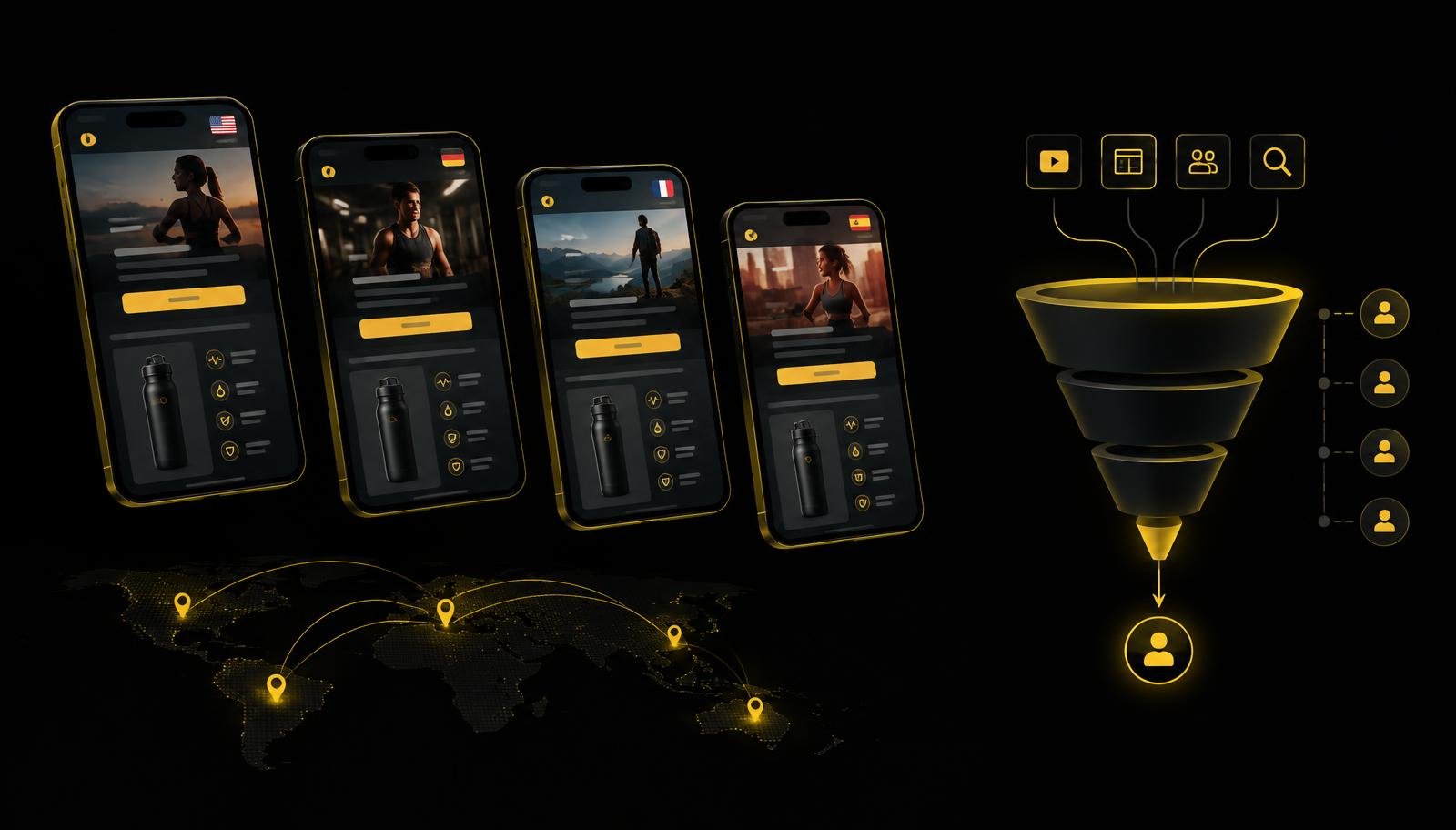
A new country is not a new ad set. When an agency opens a market, it inherits a different account eligibility surface, a different billing reality, a different consent regime, a different creative language and a different reporting calendar. This article is a readiness checklist: the work you complete before the first campaign goes live, so that early data tells you something about the market instead of something about your setup.
The short answer: a market is ready when you can (1) run compliant ads from an account eligible to target that country, (2) fund the account reliably in a supported currency, (3) measure a conversion that the client's finance team recognises, (4) serve creative that a local viewer accepts as native, and (5) report results in the market's own time frame. Everything below expands those five conditions into checks you can tick off.
Why readiness matters more than budget
Expansion failures are rarely dramatic. A campaign spends for four days, delivery is uneven, the pixel double-counts one event, the payment method declines mid-flight, and the client concludes that "TikTok doesn't work in that country". None of those outcomes measure demand. They measure preparation. Because early learning shapes how the auction values your account, a shaky launch has a cost beyond the wasted budget: you start optimising against distorted signal.
Treat the checklist as a gate. If a market fails a check, you delay the launch or you launch with a deliberately smaller test scope and a written note about the known gap. What you never do is launch and hope the gap resolves itself.
Stage 1 — Commercial qualification
Before any platform work, confirm the market deserves spend. Ask the client for the boring numbers: can they ship or serve there, at what landed cost, with what delivery time, and with what support language? A market with a 21-day delivery window and no local-language support will produce poor conversion rates regardless of media quality.
- Fulfilment or service delivery is genuinely possible in the market, with a quoted cost and lead time.
- Pricing is set in a currency the local buyer expects to see, including tax treatment.
- Customer support can answer in the market's primary language within a reasonable window.
- Returns, cancellations and warranty terms are defined for the market, not copied from the home country.
- A realistic contribution margin per order or per lead is documented, so the team can calculate a break-even target.
Convert that margin into an explicit efficiency ceiling before launch. Our break-even ROAS calculator and break-even CPA calculator exist for exactly this step: a market target that is written down is a market target the media buyer can defend in week two.
Stage 2 — Account and structure readiness
The advertising account is where most surprises live. Availability of ad products, objectives, placements and billing options varies by market and changes over time, so verify current requirements in official TikTok documentation rather than from memory or from a forum post.
- The advertising entity is verified and in good standing, with business documents that match the entity name on the account.
- The account is eligible to target the country you intend to run in, and the objective you need is available there.
- Asset ownership is clear: pixel, catalogue, pages and creative assets are held by the right entity in Business Center, not by a departing freelancer.
- User permissions follow least privilege, with named owners for billing and for creative approval.
- A naming convention encodes market, funnel stage and creative batch, so reporting can be sliced by country without manual cleanup.
Decide the structural question deliberately: one campaign with several country ad sets, or one campaign per market. Consolidation helps the algorithm gather signal; separation protects budget control and reporting clarity. Our guide to structuring TikTok ad campaigns walks through the trade-off, and the deeper operational context sits in how to run TikTok Ads in multiple countries.
Stage 3 — Billing and funding readiness
Payment friction is the most common cause of an interrupted launch. Supported payment methods, billing modes and currency options differ by country and by account type, and a card that works for one market may be declined for another. Confirm the current options for your account, then build a funding routine rather than relying on someone noticing a red banner.
- Payment method is verified and has headroom for the planned daily spend plus a buffer.
- Billing currency is agreed with the client, and someone owns the FX difference in reporting.
- Invoicing and tax details match the advertising entity's registration.
- A balance threshold and refill routine is defined so delivery does not stop overnight — see our auto top-up and threshold planner for how cover hours are calculated.
- An escalation path exists for declined payments, with a named person in the client's finance team.
If the client is new to platform billing mechanics, walk them through how to set up TikTok Ads billing before launch week rather than during it.
Stage 4 — Measurement readiness
A market without trustworthy measurement is a market you cannot optimise. The goal is not maximum tracking; it is one primary conversion that the client's finance team recognises, measured the same way in every country you report on.
- 1Confirm the pixel or events API integration fires on the localised domain or subfolder, not only on the home-market URL.
- 2Verify event names and parameters are identical across markets, including currency values, so cross-market comparison is valid.
- 3Check deduplication between browser and server events before spend, not after a reporting dispute.
- 4Confirm the consent banner behaviour in each region, and document what happens to measurement when consent is declined.
- 5Agree an attribution window per market and freeze it for the test period.
- 6Set up a reporting view segmented by country, with the market's currency and the client's reporting currency both visible.
Our detailed walkthrough of TikTok Ads conversion tracking covers the implementation, and how to analyse TikTok Ads covers reading the resulting data without fooling yourself. For consent and analytics behaviour, the official Google Analytics documentation and Google Search Central documentation are useful references for localisation and measurement basics.
Stage 5 — Creative and landing readiness
A translated ad is not a localised ad. Local viewers read pacing, on-screen text placement, humour, casting, price formatting and even the shape of the call to action as signals about whether a brand belongs in their feed. Plan at least three genuinely local creative concepts per market instead of one subtitled export.
- Language is reviewed by a native speaker, including on-screen text and captions.
- Price, date, address and measurement formats follow local convention.
- Casting, setting and seasonality match the market — a summer concept fails in a market entering winter.
- Claims are checked against local advertising rules as well as platform policy.
- Landing page loads quickly on the market's typical mobile network and shows local currency and payment options.
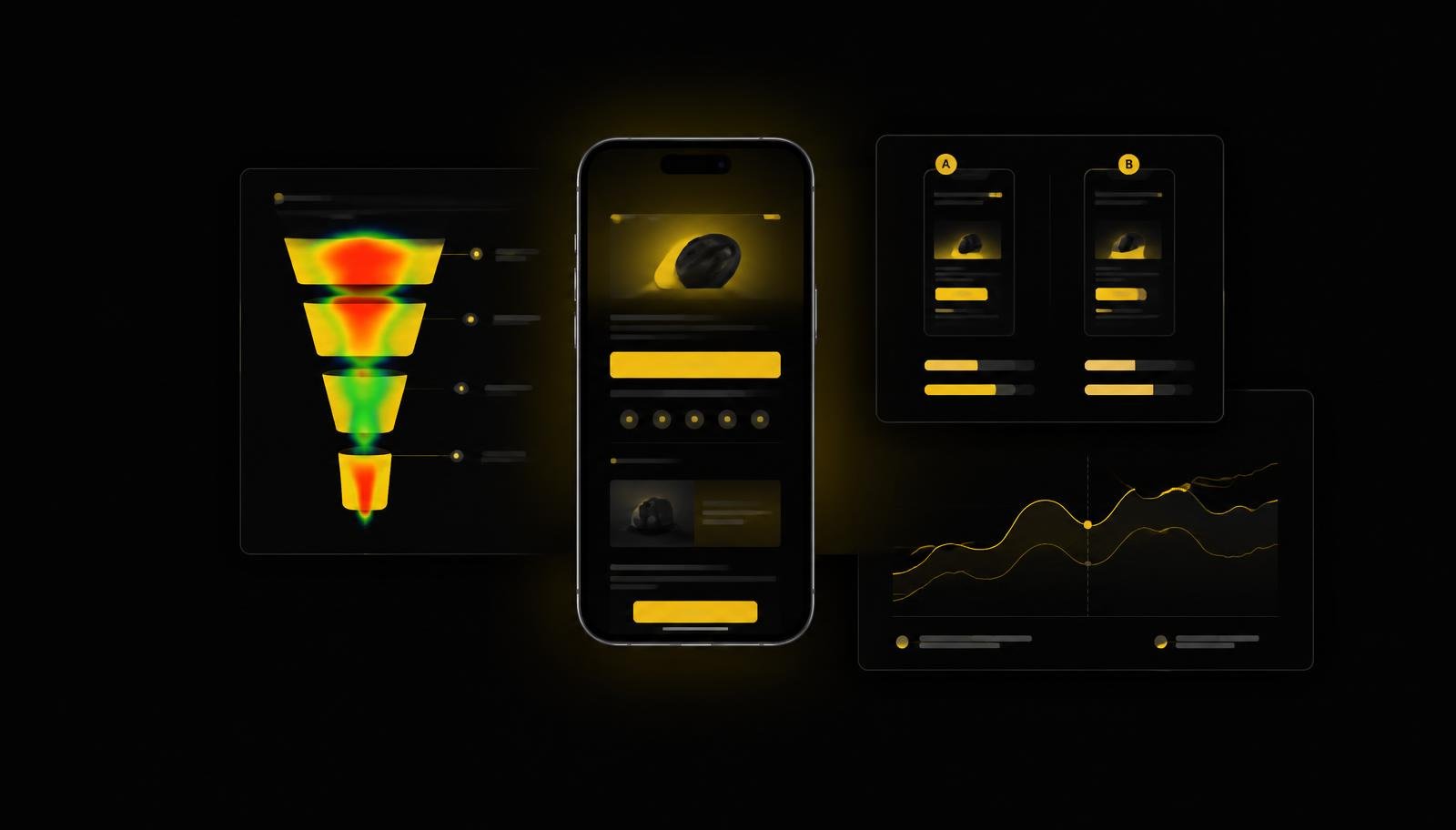
Testing discipline matters more in a new market because you have no historical baseline. Follow the framework in how to test TikTok ad creatives so that the first two weeks produce comparable results rather than anecdotes.
Stage 6 — Policy and legal readiness
Advertising policies apply globally, but many categories carry additional market-specific restrictions, and requirements change. Read the current TikTok Advertising Policies and the TikTok Ads Help Center for the market in question, and never design a launch around a workaround. Do not misrepresent the advertising entity, do not attempt to bypass verification or payment requirements, and do not assume an approval in one country implies approval in another.
Stage 7 — Launch plan and exit criteria
Write the test before you spend. A readable market test states the budget, the duration, the primary metric, the decision thresholds and who decides. Without exit criteria, a market stays alive on sentiment.
| Element | What to define | Example of a good definition |
|---|---|---|
| Scope | Markets and funnel stages in the first phase | One market, prospecting only, two creative concepts |
| Budget | Total test budget and daily pace | Fixed test budget over 14 days at a steady daily pace |
| Primary metric | One metric tied to margin | Cost per qualified lead against the documented ceiling |
| Decision points | When you scale, hold or stop | Review at day 7 and day 14 against the ceiling |
| Owner | Named decision maker | Account lead, with client sign-off on spend changes |
A practical example: an agency opening a second European market for a skincare client sets a 14-day prospecting test with two locally shot concepts, one primary conversion event, a documented cost-per-purchase ceiling derived from landed margin, and a day-7 checkpoint where creative is refreshed rather than budget increased. At day 14 the market either clears the ceiling and moves into a structured scaling plan, or it is paused with a written reason — supply lead time, creative fit, or landing page conversion — that determines whether it is retried.
Common readiness mistakes
- Launching five markets at once, then being unable to attribute a change to any one of them.
- Reusing the home-market landing page with a machine-translated headline.
- Assuming a payment method that works in one market will fund another.
- Changing budget, creative and audience in the same 48 hours.
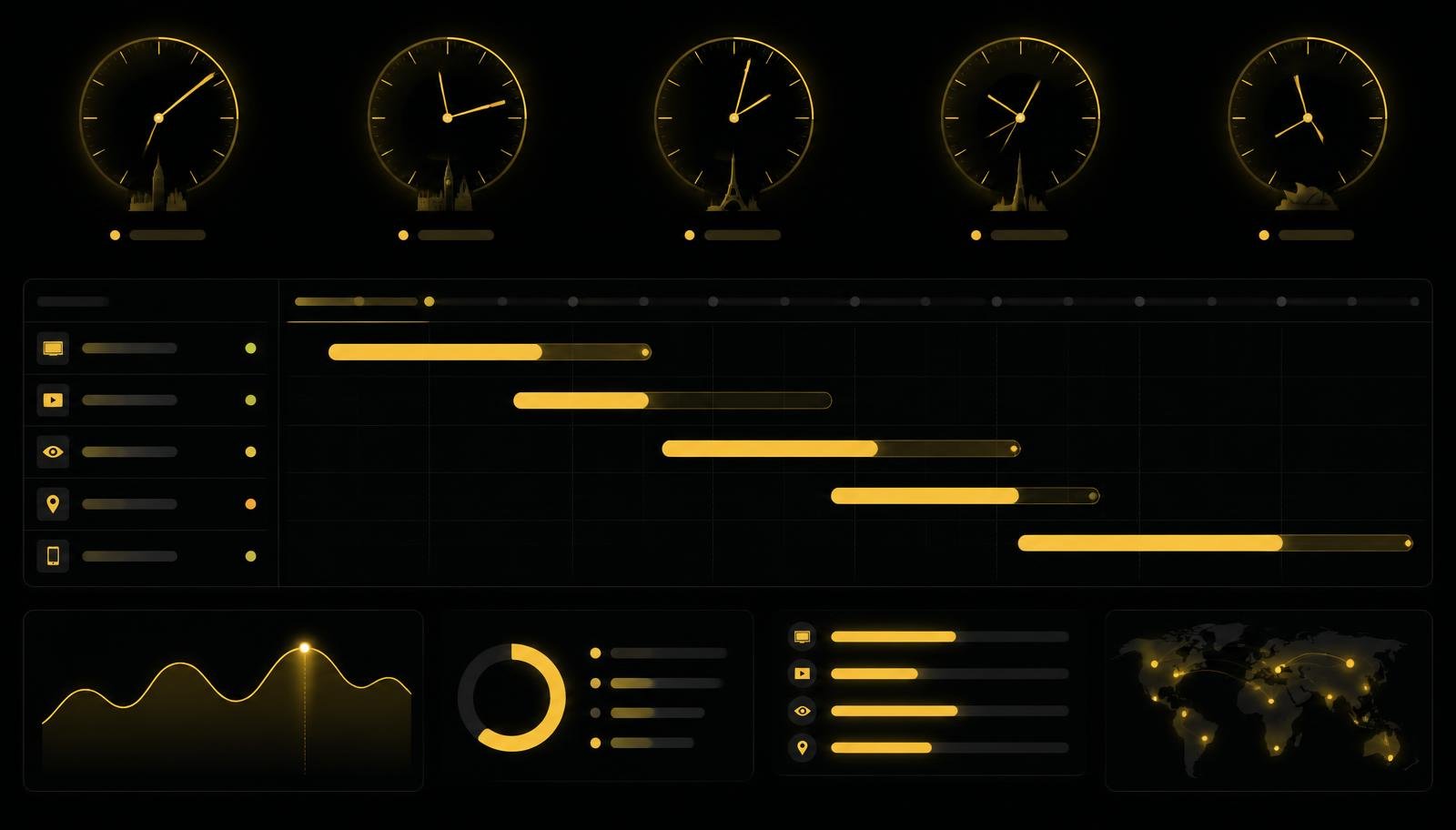
- Reporting in the agency's time zone while the client reads results in theirs.
Where this fits in the cluster
Conclusion
Country expansion rewards preparation over enthusiasm. Qualify the market commercially, confirm account and billing readiness, prove measurement, build genuinely local creative, verify current policy requirements, and write the test with exit criteria before the first impression is served. Do that, and the data from week one describes the market. Skip it, and the data describes your setup — which is the most expensive kind of learning available.
For further reading on platform requirements, consult TikTok for Business and the TikTok Business Help Center directly, since availability and requirements differ by market and are updated regularly.
Frequently asked questions
How many countries should an agency open at once?
One at a time is the safest default when you have no comparable market data, because it keeps attribution clean. If you must open several, keep the setup identical across them, change one variable at a time, and give each market its own reporting view so you can tell which market is actually working.
Do I need a separate ad account per country?
Not always. Some teams separate accounts for billing clarity, client ownership or reporting hygiene; others run one account with country-level ad sets to keep learning consolidated. Base the decision on how budget and reporting must be controlled, and confirm current account and targeting availability in official TikTok documentation for the markets involved.
What should I measure in the first two weeks of a new market?
One primary conversion tied to margin, plus supporting diagnostics such as creative-level engagement, landing page conversion rate and cost per click. Resist judging a market on a metric your client's finance team does not recognise, and keep the attribution window fixed for the whole test period.
Is translated creative enough for a new market?
Usually not. Translation fixes comprehension but not credibility. Local casting, pacing, price formatting, seasonality and cultural references influence whether the ad reads as native content, and those factors typically affect performance more than the wording of the headline.
What happens if billing or targeting is not available in my target market?
Then the market is not ready, and the correct response is to wait or to choose a different market — never to misrepresent the advertising entity or attempt to bypass verification, payment or policy requirements. Availability differs by country and changes over time, so verify the current position in official TikTok documentation before committing budget.
How long should a market test run before deciding?
Long enough for delivery to stabilise and for the primary conversion to accumulate a meaningful number of events, which depends on your price point and conversion rate rather than on a fixed number of days. Define the checkpoint dates and thresholds in advance so the decision is not made on the strength of a single good day.
Keywords covered in this article
The topics and search terms this guide addresses.
Primary keyword
TikTok Ads country expansion
Related keywords
- TikTok Ads new market launch checklist
- international TikTok advertising readiness
- agency market entry process
- TikTok Ads market research
Topics
- international
- agency operations
- market expansion
- tiktok ads